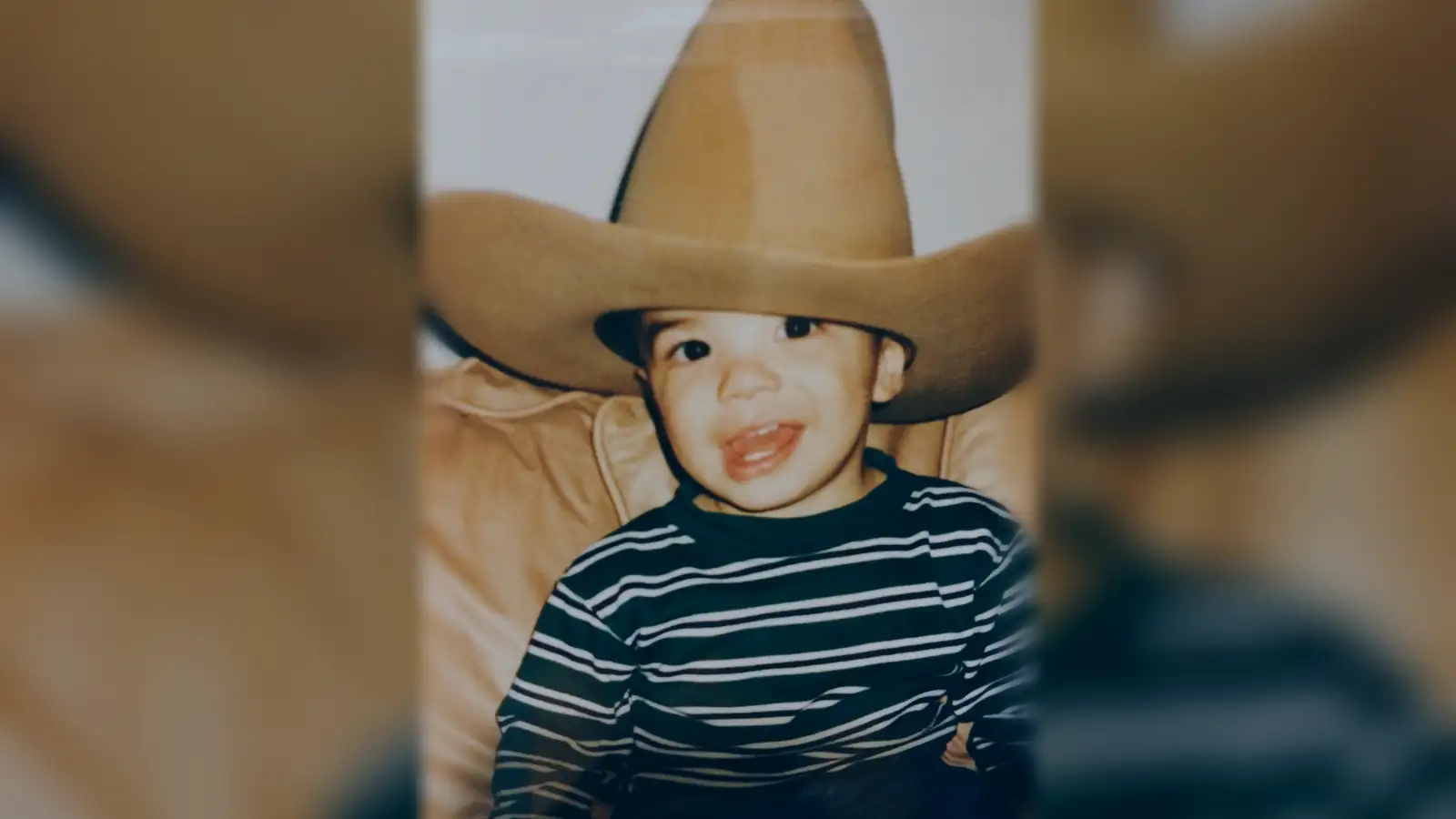
Chapter one / Watching the door / 1995–2013
The job began with waiting.
My brother Timothy had kidney cancer. That is why my parents started Gulf Coast Janitorial Center.
Shipping docks, warehouses, car dealerships, apartment complexes—whatever would pay. They could not always afford a babysitter, so everybody came.
Sometimes they needed an extra hand and I went inside. I helped my father before school and sometimes after it. Two dollars an hour. Sometimes they did not need me, and I stayed in the car with my brothers.
Timothy sat beside me. Noah and Jeremiah were in car seats, a year apart, hardly conscious this was happening. Sometimes the radio was on. Later there was a van with a nineties movie player. Mostly, there was waiting.
We stared at the door and watched for our parents to return.
We did not know what was happening inside. We knew what we had to do, and we knew where our parents were. So we did what we had to do.
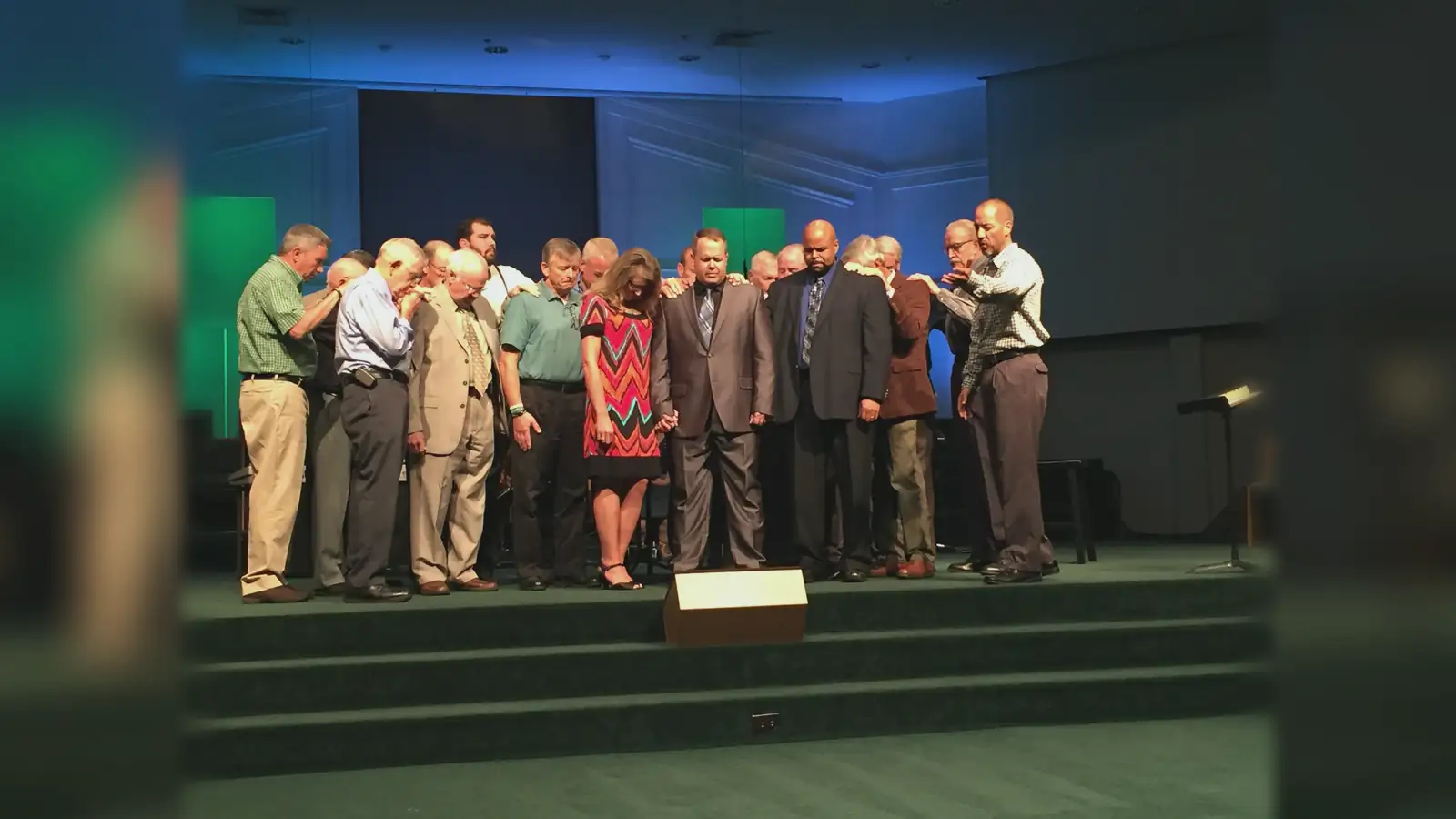
Chapter one / The hands
They moved the room.
My father preached. When he was younger, he conducted too—the person out front waving his hands while my mother sang.
She organized the other singers and chose the songs. For a while, when there was no rent for somewhere else, the church was also where we lived.
It was a homegrown operation. The two people moving the room were reading it the entire time to find out whether it was working.
I still talk with his hands.
That language came into the house with him. I catch it in myself now, before I notice I am doing it.
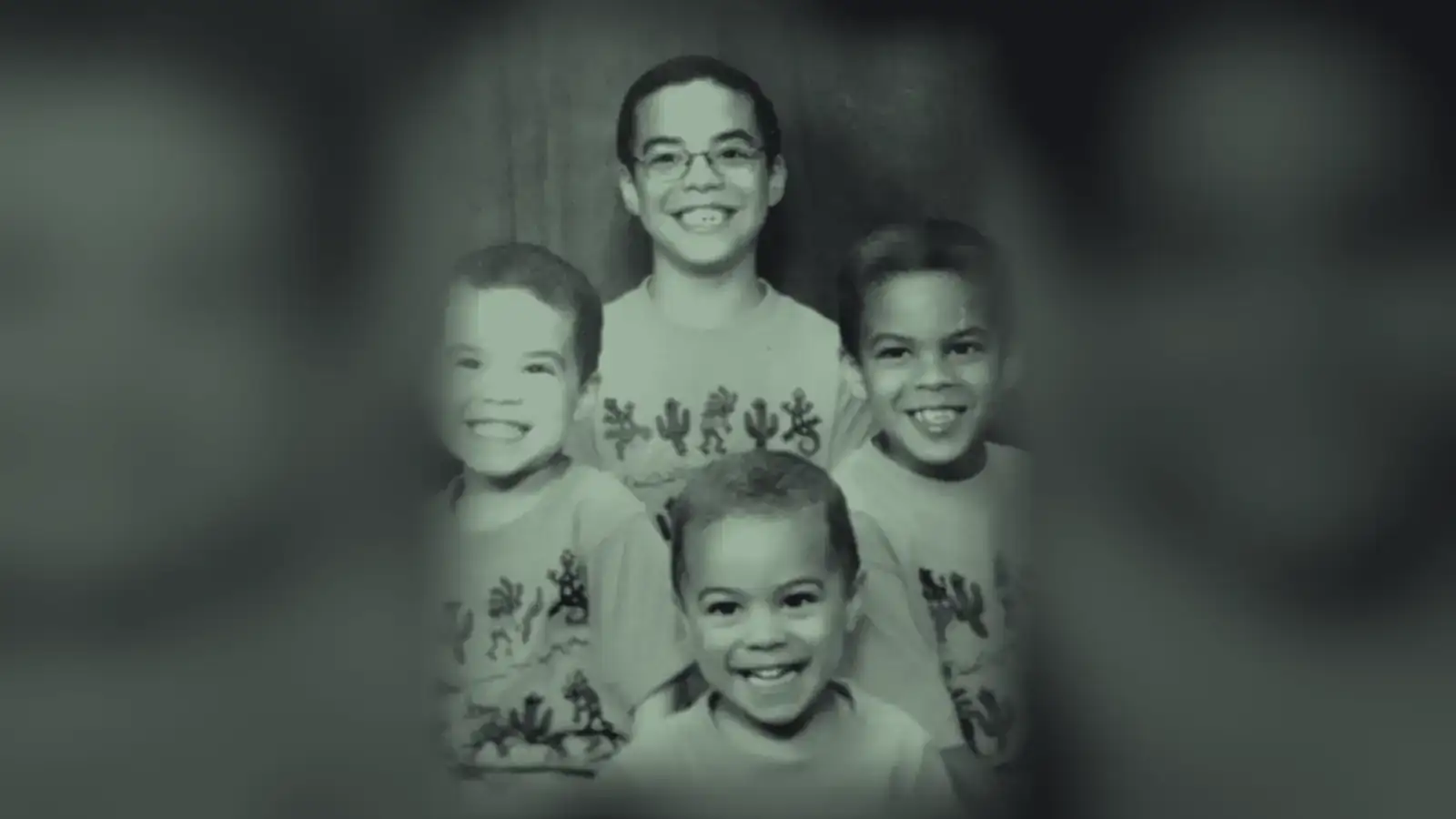
Chapter one / Before me
The story started before me.
Four boys: me, Timothy, Jeremiah and Noah. There were notebooks too—poetry, raps, doodles, things nobody in the house called a skill.
On my mother’s side was William Wallace Price. We called him Daddy Jim. In 1895 he became the first reporter assigned to cover the White House full time.
The story in our family is that Theodore Roosevelt saw him standing outside in the weather and had a desk put inside for him. My grandmother was a veteran and later worked in public relations in New York, including with 20/20.
Before I learned to read a room, people in my family were already waiting at the door.
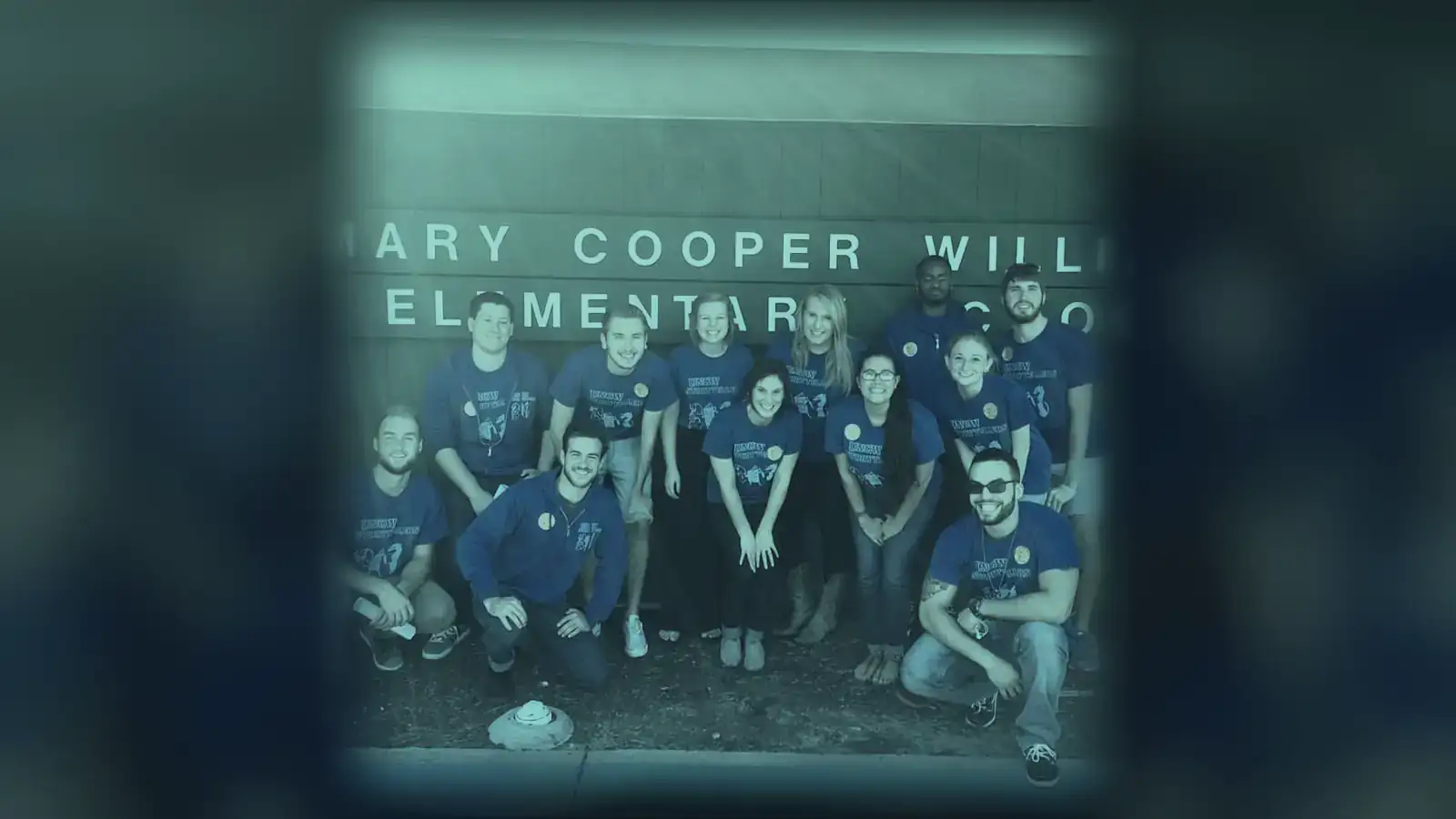
Chapter two / Rooms that answer back / 2013–2017
The room answered.
For four years, I walked into elementary schools with two stories memorized and no guarantee either one would work.
Pre-K through fifth grade, all day. Second and third graders were the sweet spot: old enough to follow the turn, young enough to let the whole room erupt.
They were also ruthless. Sometimes the same story landed in one fifth-grade class and disappeared in the next. Sometimes I got blank faces. Once, a child skipped the story completely and asked, “Why does your face look funny?”
A room does not receive what you meant. It receives what arrived.
The first year, I learned not to bring a complicated story to kindergarten. Later, I noticed something else: the schools themselves did not feel the same. Who had resources. Who had a place. Who looked tired because home already came with work.
I knew the feeling of waiting for your parents to finish a shift. Standing in front of those rooms, I started to wonder: maybe they have a childhood like I do.
Chapter two / Music with Timothy
The making could go on forever.
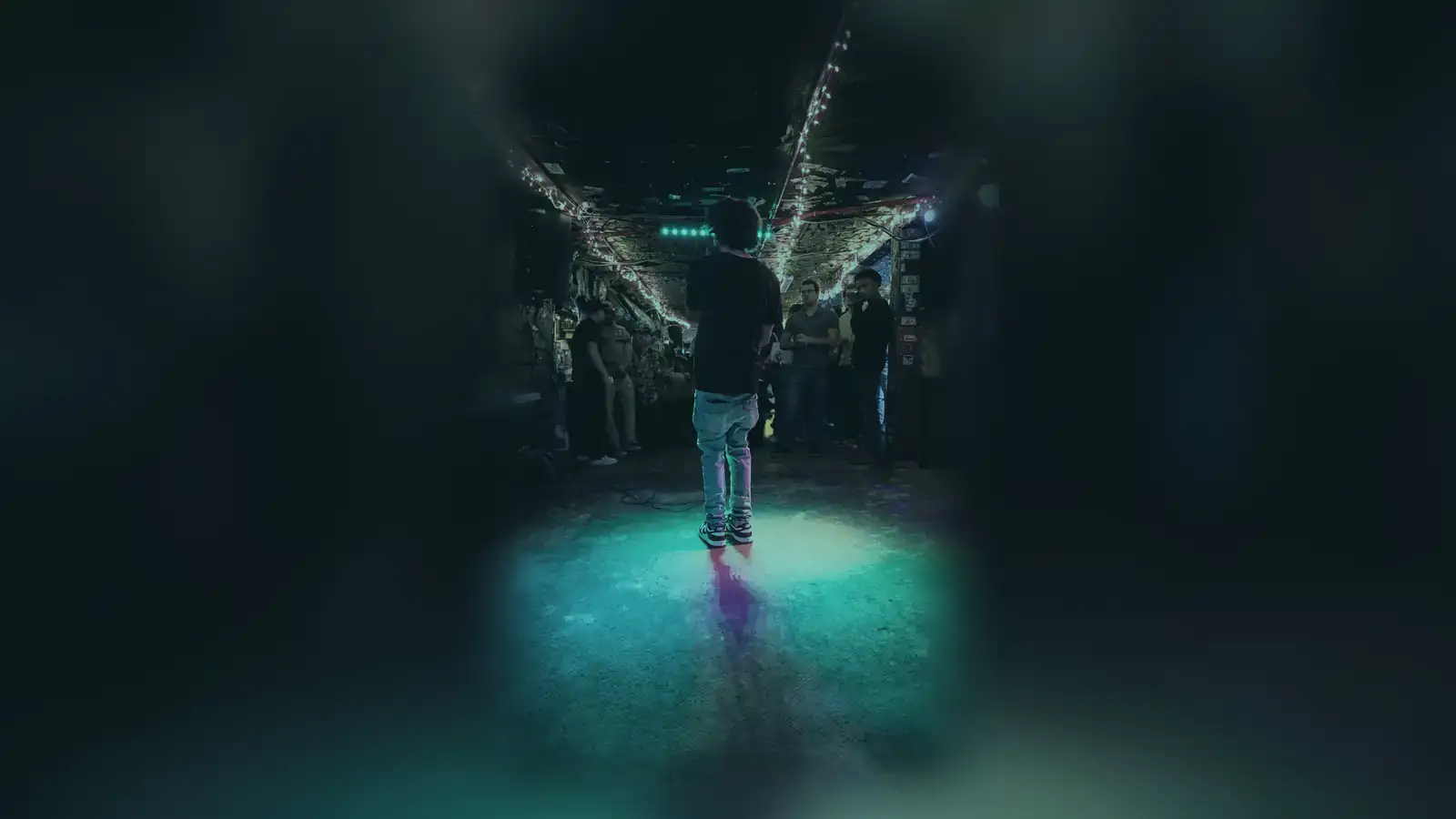
Timothy stayed close to music. We found beats, wrote over them, rapped and sang at art shows and in rooms in DC, up and down the East Coast.
I spent two or three years engineering sound too: mixing, mastering, sound design, studio sessions, concerts, Broadway. A song was never finished. There was always another take, another sample, another skit I could add by myself.
I liked performing. I stopped because I wanted more give and take. Somebody in the room who could tell me it was not working yet.
Chapter two / The first place that stayed
I followed a family.
Florida as a baby. Mississippi for elementary school, until Katrina put us in Maryland. Back to Mississippi after the coast recovered. Louisiana for middle school. North Carolina for high school, and then college.
Wilmington was the first place that stayed. I studied Communication and Media Studies at UNCW. The department had a film half and a behavior half. I picked behavior.
College gave me a vocabulary for something I had been doing in cars, churches and classrooms: noticing what people actually received.
Chapter two / Patient transport
It added up later.
In my early twenties, I pushed patients through New Hanover Regional Medical Center and shot video for the hospital on the side.
You get to see death.
You get to see life.
Whether I asked or not, people told me their regrets. The family they had. The family they missed. The family they were not getting to see.
Some rooms were full of people who loved them. Some had no one. There was shame, because people are not always clean. There was grace too, and gratitude for still being alive.
Then I went to the next patient because there was work to do. It was later, when the room got quiet, that all of it started adding up.
Passive compound interest.
Chapter three / Pick the camera / 2018–2021
The camera was already there.
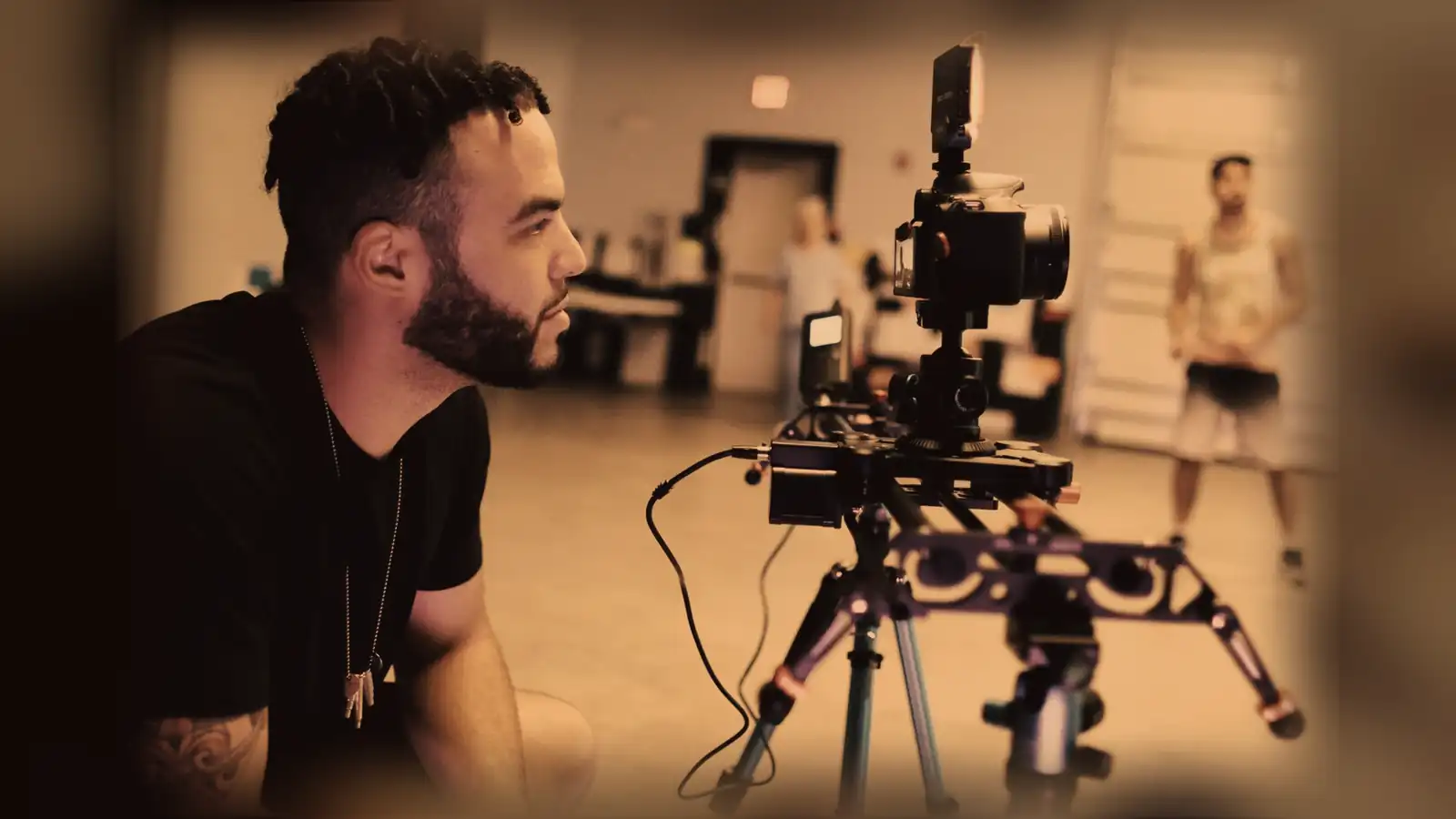
My grandparents had given me a point-and-shoot years earlier. When Timothy stayed in music and I wanted something that was mine, I already had the tool.
The first video I made for the hospital was Just Cut It. A barber’s chair. No crew. No budget. It ran for a community health drive with free blood pressure checks and flu shots.
That one video started the company. Eventually the hospital made me choose: come on staff, or be our vendor. Not both.
I picked the camera.
What I actually set down was predictability.
Chapter three / A camera in the room
Some work was not for a brand.
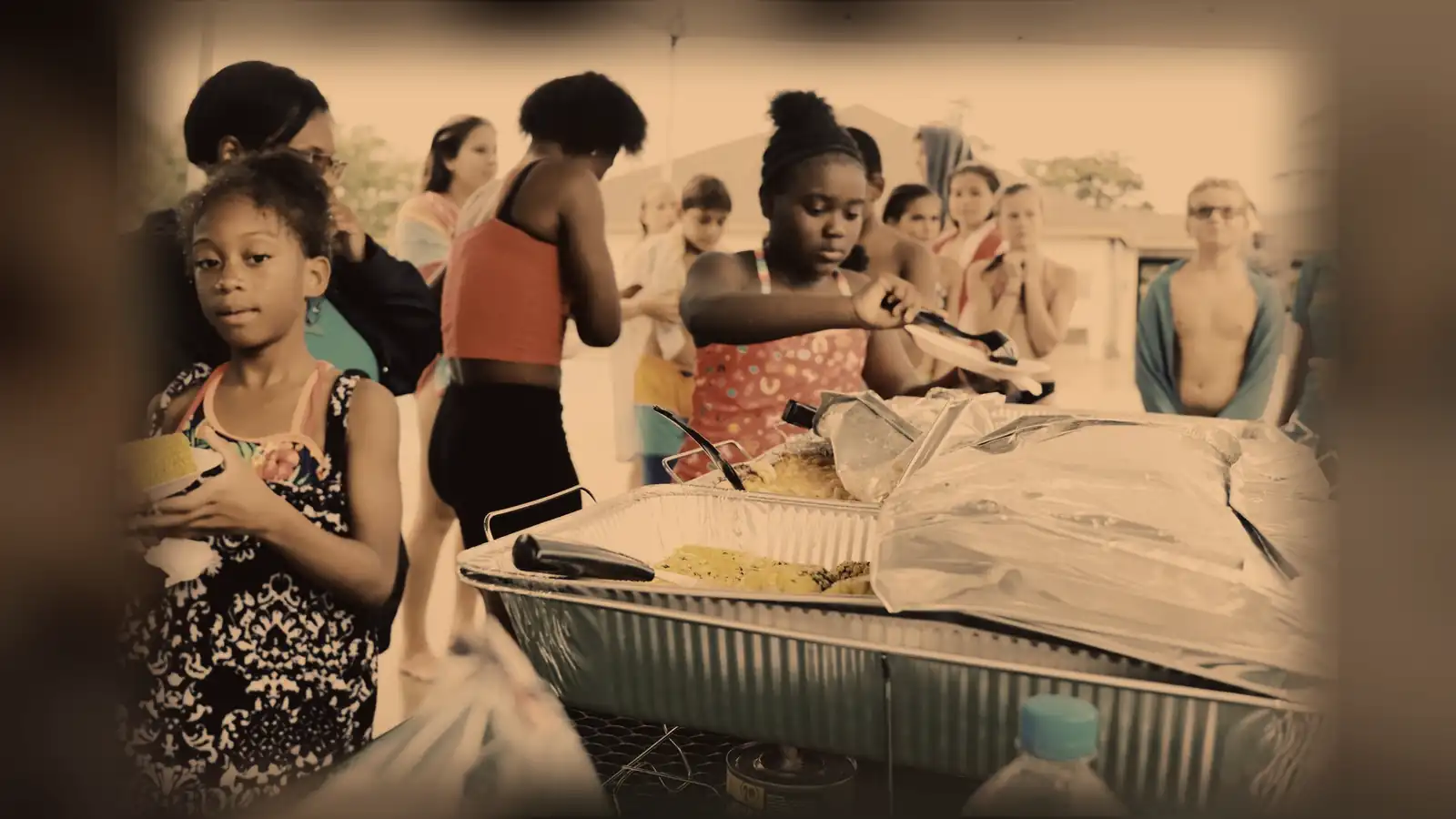
For NSEA Swim, I filmed free swimming lessons in Northside. Their premise was plain: the color of a person’s skin should never stand in the way of learning to swim.
At the hospital, we made a campaign about interpreters for patients who needed translation and did not know they could ask for it.
There was the Portia Hines Park project and the Northside Food Co-Op. Work connected to getting a park built and making groceries easier to reach.
Then COVID hit and in-person video stopped. I filmed a food drive in 2020. That is the thing from the period I would keep.
Chapter three / Blue Roll
Even if it wasn’t your shot.
Blue was my favorite color. Roll, as in film.
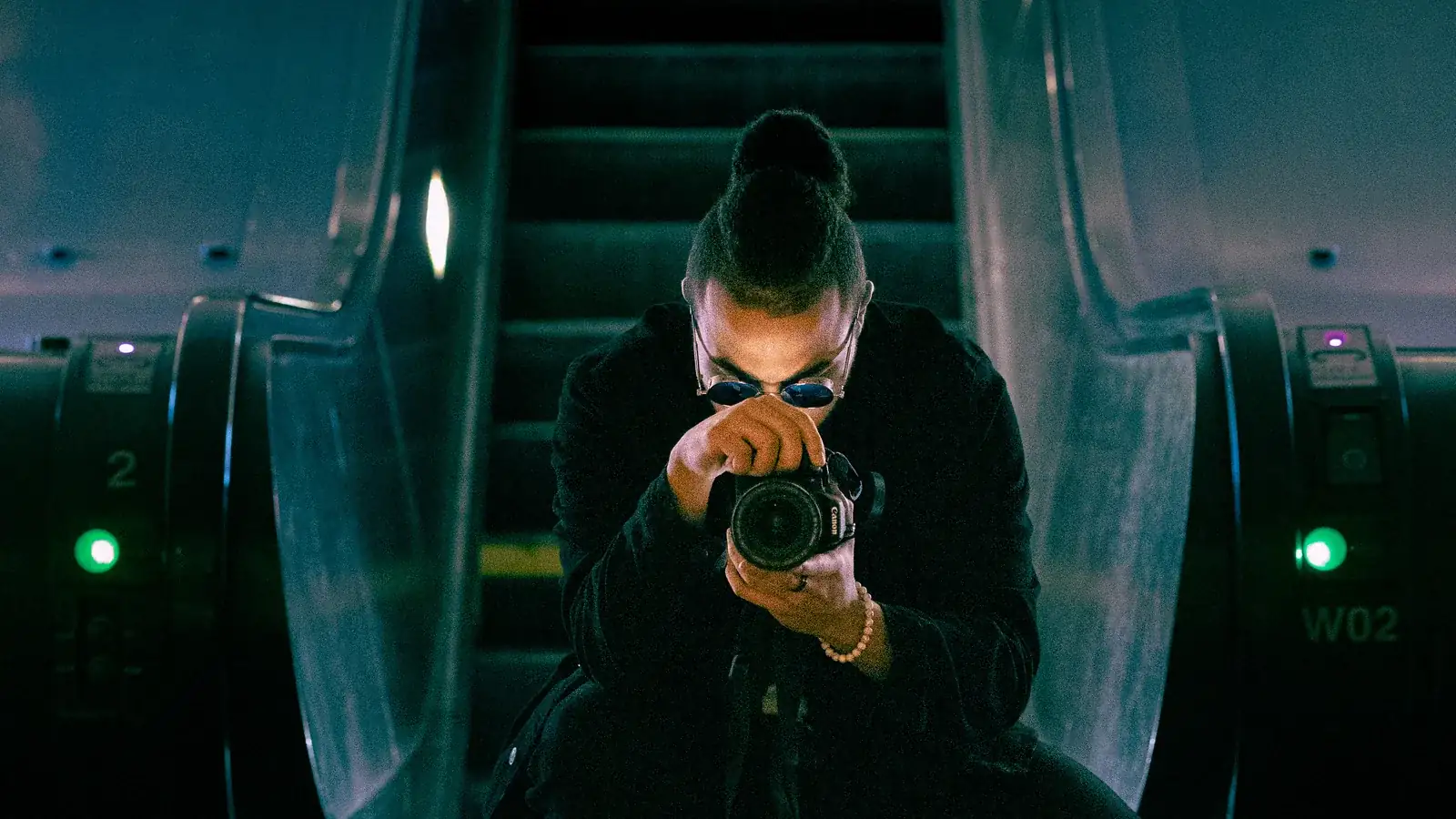
Noah shot the stills. I shot video, and we brought in crew when a job needed it. We made films, recorded audio and covered events. There were usually very few of us.
The feeling I remember happened whenever anyone got a great photo or piece of video. A contractor, my brother, anyone. Somebody would say, “Yo, check this out.” When you got the shot you wanted, everybody was excited for you.
It was a pure feeling, even if it wasn’t your shot.
We recorded fifteen episodes of the Blue Roll podcast, talking about communication and media. The business won awards. I threw every business award away.
The community and the work mattered to me. Closing the company meant I was not going to be doing that work with Noah anymore. That was the part that took longer to let go of.
Chapter four / Make the case / 2021–2025
The experience read as risk.
After four years of running Blue Roll, I wanted a full-time job. Hiring managers looked at the same four years and saw a founder who might leave.
More than once, an interviewer asked why I wanted to work for somebody if I already had a business. I wanted to work inside a team. Running my own shop did not make that easier to explain.
The experience was evidence. First, it read as risk.
ProInspire hired me first. Givebutter came next, then Workhorse in Austin.
Chapter four / The room in Dallas
I liked being part of that team.
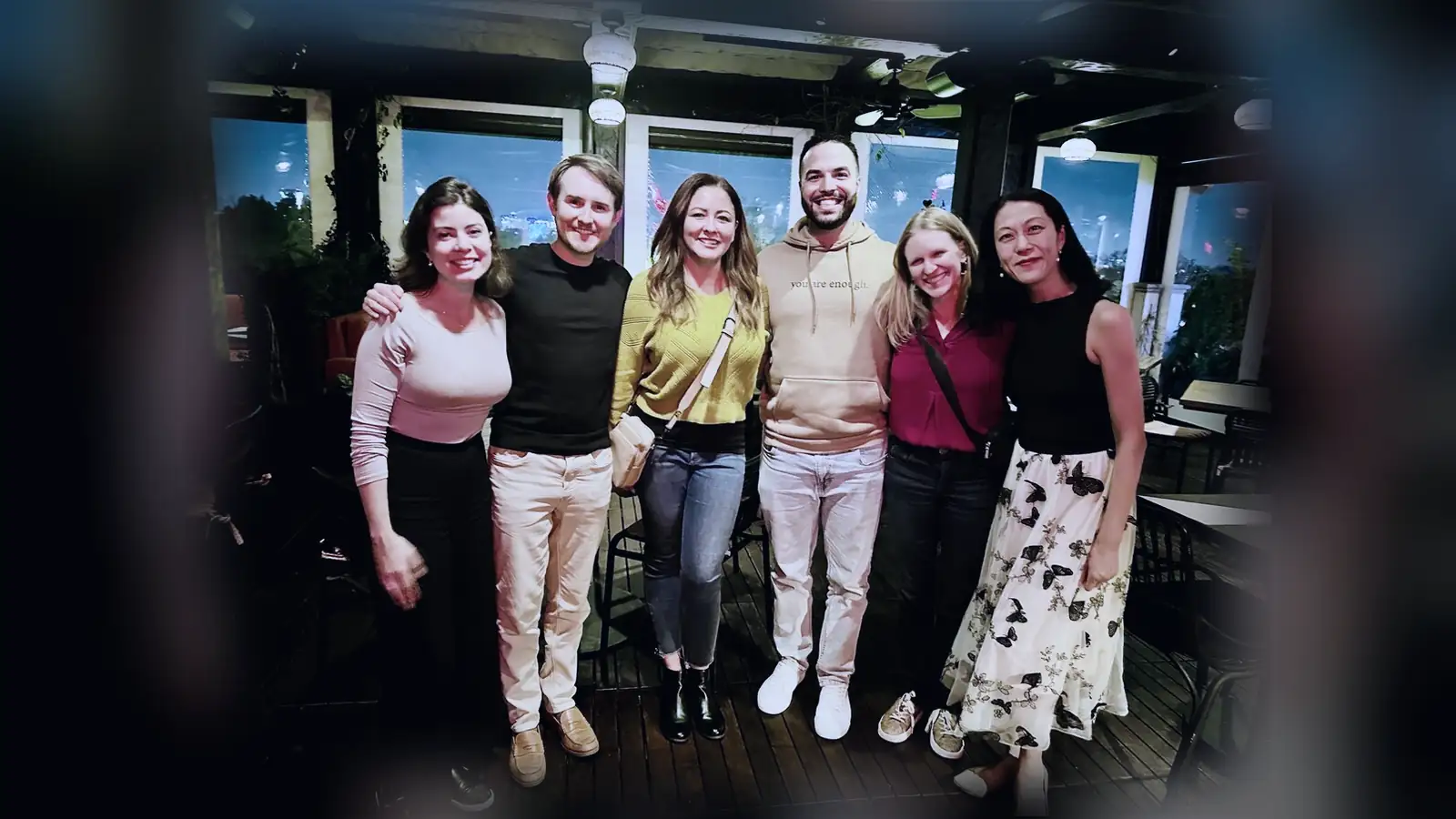
There is a photograph from a Digital Wellness Institute offsite in Dallas: Ann, Tyler Rice, Sarah Cannon, me, Amy Blankson and Jacqueline Kung.
Amy called me “an entire marketing department all wrapped into one.” I had spent years working alone or with very small crews. In Dallas, I was in a room with people who were better at different things than I was.
I liked being part of that team. Scale stopped being only a number. It became the people standing beside the work.
Chapter five / The place he chose
Money made the first choice.
My parents put me in martial arts and sports when I was a child. I reached first-dan black belt in Taekwondo and played baseball.
There was not enough money for both, and even when there was money, my parents did not always have the time. They gave me a choice. I chose baseball, and that is why I walked away from martial arts.
At twenty-five, I came back.
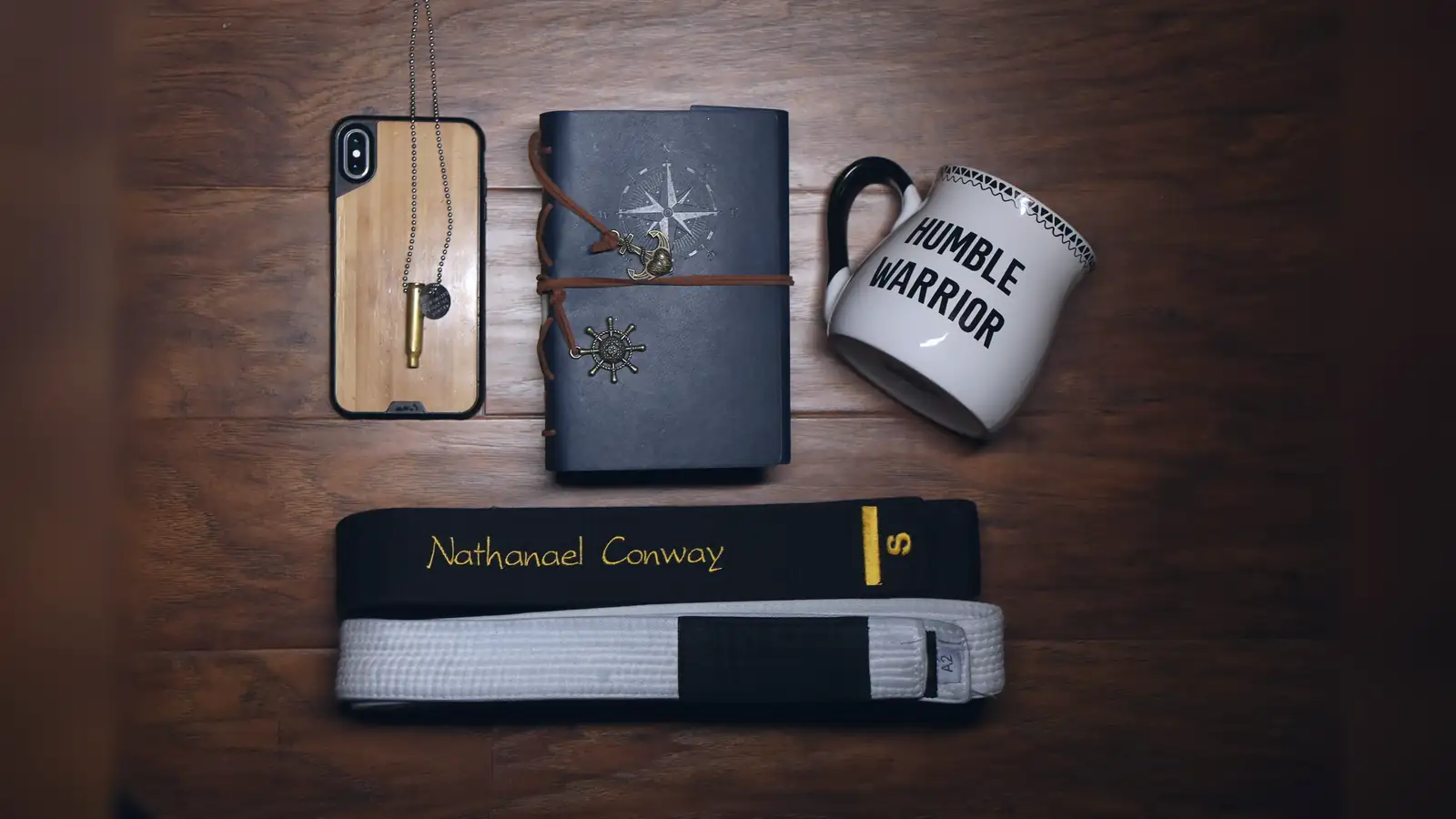
Muay Thai and Brazilian Jiu Jitsu. Gi and no-gi. The old belt still has my name embroidered in gold. I photographed it beside a mug that says HUMBLE WARRIOR, a brass compass, a leather journal and my phone.
Chapter five / Panda moves west
I kept the one who nearly did not make it.
In Jacksonville, my aunt-in-law and I took in a mother dog and her whole litter. We worked through a nonprofit, and every dog found a home.
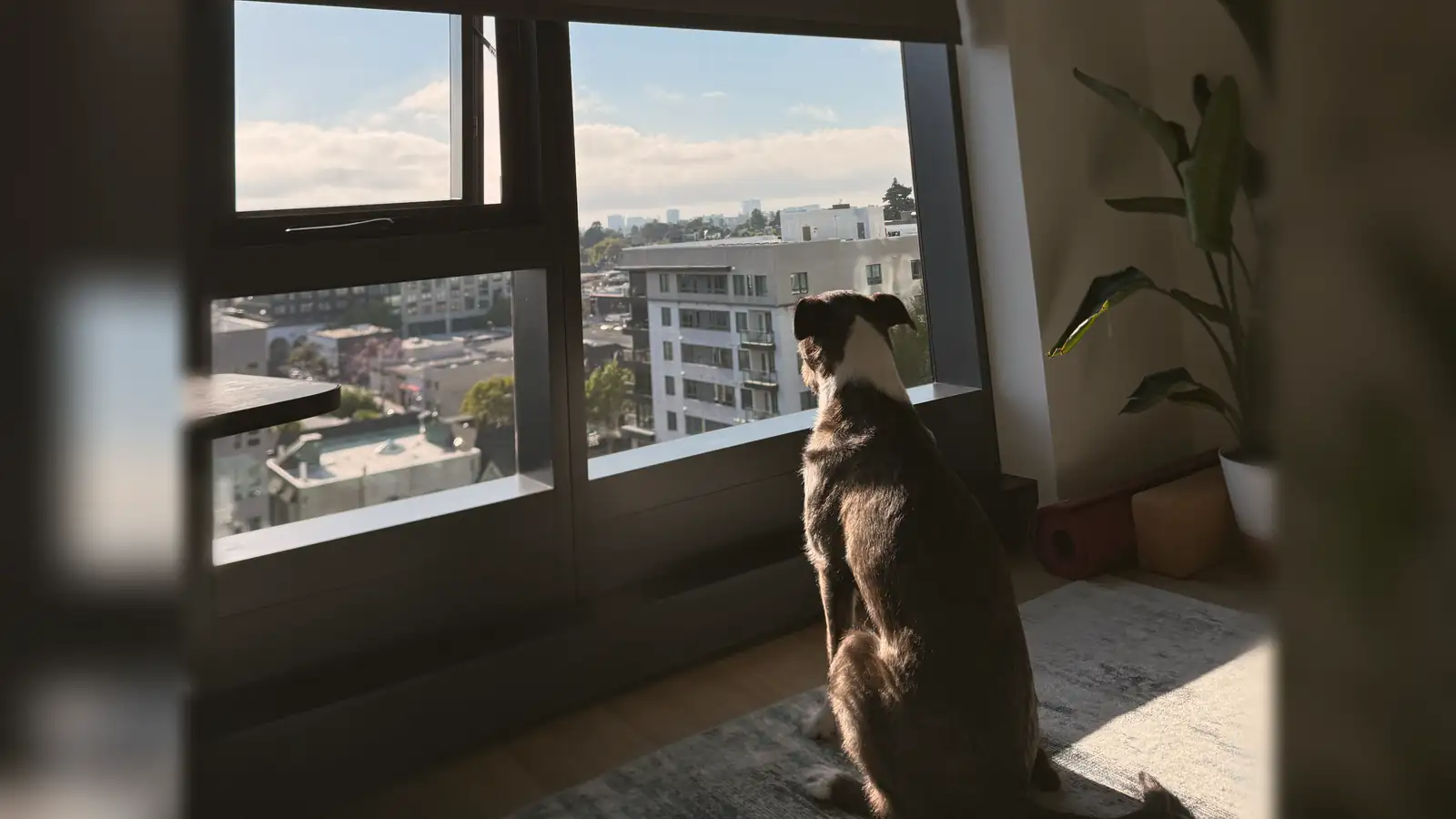
One puppy was underfed because her siblings kept pushing her away from her mother. I have been in her life essentially since she was born.
Panda followed me back to Wilmington, and then to California.
That’s my girl.
Chapter five / Oakland
I had always wanted California.
Growing up, I never once picked a state. I followed a family: Florida, Mississippi, Maryland, Louisiana, North Carolina.
By 2025, I had looked at North Carolina, Tennessee and Texas. Then the right offer arrived in the right year, with a reason to be in a room with people again.
This time, I moved to Oakland. Panda came with me.
Chapter six / The spreadsheet became the job / 2024–now
So I wrote it down.
I had moved to Oakland for a marketing role. The whole time, people kept coming to me about AI.
An automation. A custom agent. A workflow that needed changing. A prompt that would not behave. What is the latest thing? Can it do this? I have an idea.
I started keeping spreadsheets: what people were already building, what they were asking me to help with, and where someone was stuck. Nobody owned it full time. For me, it was still part time, which meant I could not always make the work follow through.
The spreadsheets became the job.
I took the pattern to the executive team. What the org chart had not named yet was already happening.
Chapter six / A place to bring the question
The work starts before the tool.
I founded the For All Intelligence Network with our general counsel and head of innovation, and named it in the company’s own language: For All.
Then came the AI Enablement Hub: approved tools, learning paths, office hours, sessions where people built their own Copilot. Somewhere in there, I spent an afternoon talking somebody down from the Terminator.
Now it is Impact Foundry. Bring an idea, a manual process, work that is harder than it should be, or a question that begins, “What if AI could help with this?”
Putting AI inside a company is a habit problem wearing a software problem’s clothes.
The useful part is finding the piece one person can carry, building it with them, and then going again.
Chapter six / The writing returns
The writing came back.
The notebooks went quiet during the years I was holding a camera.
The writing came back as strategy documents, scripts and a weekly newsletter about a technology that did not exist when I started filling pages.
The work still begins the same way: watch what people do, listen for what the room is asking, and write down what is already trying to happen.
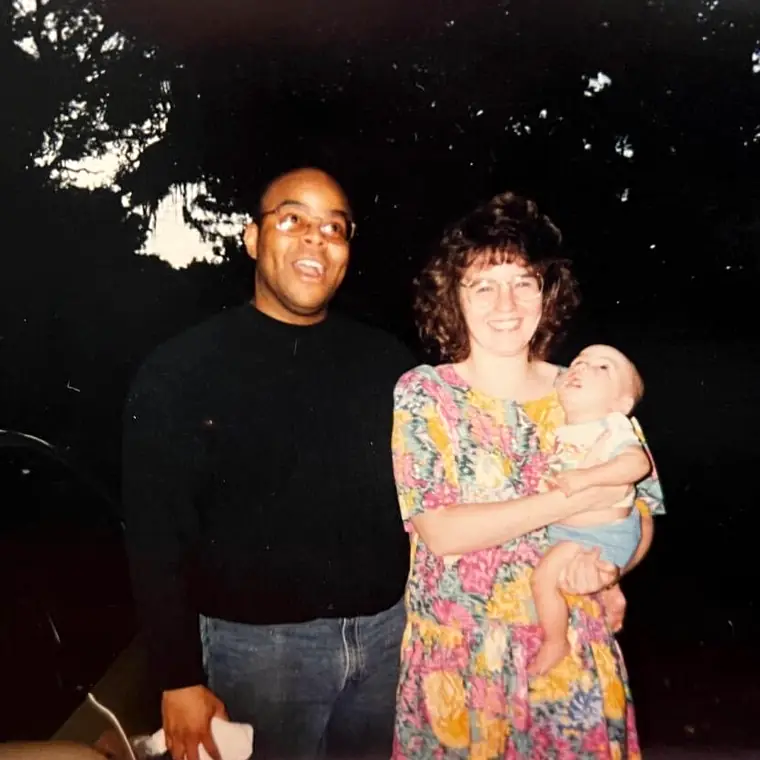
This is my story.
The rest is to be determined.